Sparking a love of science
Science at Fairfield
I have always felt that science is one of the most exciting subjects you can study. It is all about the world around us, so it doesn’t feel like learning something abstract; it feels like learning to make sense of everyday life, and I love sharing that with the children.
Hearing their early misconceptions is always fascinating and seeing the lightbulb moment when an idea finally clicks is one of the best parts of my job. Children are naturally curious, and science builds on that curiosity. It helps them ask better questions, test their own ideas and think carefully about the world around them. I see my role as sparking that curiosity, helping it grow into independent and thoughtful enquiry.
For me, it is important that every child can imagine themselves as a scientist in the making. As we recently marked the International Day of Women and Girls in Science on 11 February, I believe that as a female Head of Science I can model to all our children that science is a field open to them.
Alongside introducing the great names who shaped our understanding of the world, I ensure that children encounter scientists from across different periods, cultures, and genders. Representation matters, which is why we share the stories of pioneers such as Mary Anning, Ibn al-Haytham and Rosalind Franklin alongside those of Darwin and Newton. I also make a point of highlighting contemporary scientists working today, such as space scientist Dr Maggie Aderin-Pocock, so children can see that science is not just history; it is happening now, and they could be part of it.
Isaac Newton said: “If I have seen further, it is by standing on the shoulders of giants.” This quote is particularly important in this context as it highlights how the groundbreaking work of historical figures has paved the way for the advancements and discoveries of today. In a similar light, by instilling a passion for science in pupils from the early stages of their educational journey at Fairfield, I hope to lay the foundations for them to go on to pursue their interest in the subject at secondary school and beyond.
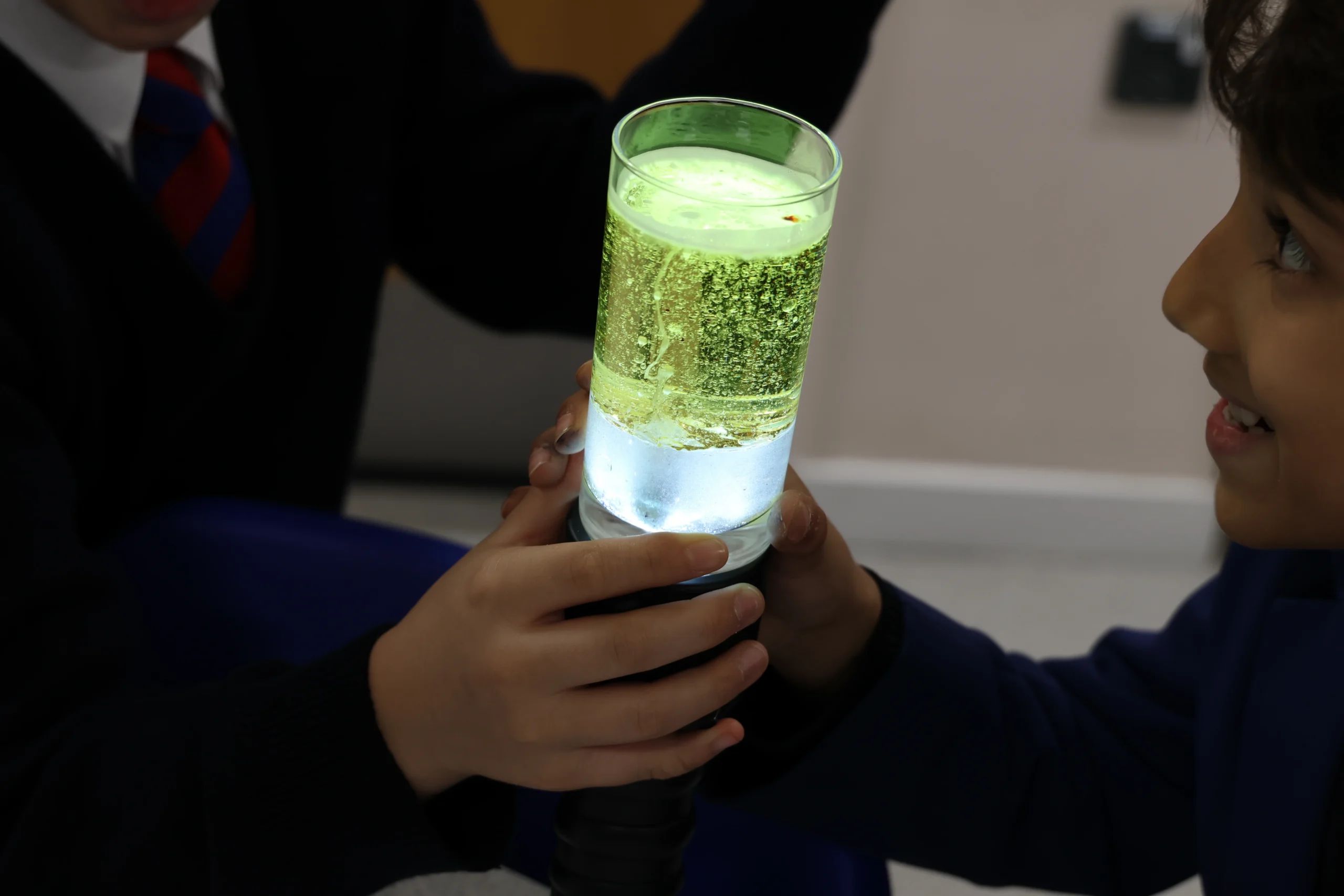
Science prepares children for a future in which almost every profession is shaped by Science, Technology, Engineering and Maths (STEM) in some way, and I want them to see that science could be part of their future. Children arrive at school with an instinctive desire to explore and understand how things work, and I aim to nurture that enthusiasm through hands-on investigation.
At Fairfield, lessons bring together secure knowledge, practical skills, and open enquiry so that children leave with the confidence, understanding and the habits of mind to think like scientists.
When I ask children what they love most about science, the most common answer is that they enjoy making things explode! ‘Diet Coke and Mentos’ is always a favourite as children witness the impressive physical reaction between the two ingredients, along with Elephant’s Toothpaste – an eruption caused as hydrogen peroxide breaks down into water and oxygen with the help of a catalyst. Science clubs give us the freedom to explore the areas that children are most curious about and to let them lead their own learning.
Each week at Science Club, the children choose what they would like to investigate next, and I encourage them to follow their own interests. Some ideas take us deeper into the curriculum, while others go beyond it altogether. Although I plan each session, I often don’t know where it will lead as a single “what would happen if” question from the children usually shapes the direction we take. That sense of discovery is the real beauty of science clubs.
As the children prepare to move up to senior school, the Fairfield Science Fair, which takes place in the Summer term, allows them to take their interests in any direction they choose. Working individually or in small groups, children select a topic that inspires them, carry out their own research and become genuine subject experts. Each team creates a display poster, plans a hands-on activity and explores the work of a scientist linked to their project. The quality of work is always exceptional, but what stands out most is the confidence the children gain as they explain complex ideas in their own words.
Projects have ranged from investigating falling speed and mass to invisible ink, buoyancy, memory tricks, bacteria growth, and bioluminescence (the production of light by an organism as a result of a chemical reaction.) The variety shows just how creative and wide-ranging science can be when children are given real ownership.
On the day of the Science Fair, children share their discoveries with younger year groups, who eagerly join in the experiments and ask brilliant questions. Seeing our oldest pupils speak with such enthusiasm and authority is one of my proudest moments of the year.
Last year, we were delighted to welcome colleagues from the science departments at Loughborough Grammar School and Loughborough High School, who were genuinely impressed by the children’s thinking and creativity. After visiting the projects, Head of Year 7 at LGS, Mr Parton commented: “It was wonderful to see such enthusiasm for science. I learnt so much from the pupils, from erupting volcanoes to whether music affects concentration. Fairfield has made science truly exciting.”
Head of Physics at LHS, Mr Palmer added: “All of the presentations were really well done, with lots of great research, and it was so refreshing to see the pupils being creative, collaborative, challenged, communicative, and genuinely stimulated across all the science disciplines.” The Fairfield Science Fair has become not only an academic highlight, but also a meaningful step in the children’s transition to senior school.
Through sparking imagination and providing a space for children to explore the areas of science they’re really passionate about, I hope to encourage our pupils to go on to pursue their science interests. Every year, students leave the Foundation’s senior schools to study STEM subjects at university, many of whom began their LSF journey at Fairfield. Whatever they go on to become – researchers, biologists, medics and beyond – I feel privileged to have been there with them at the start of their journey.
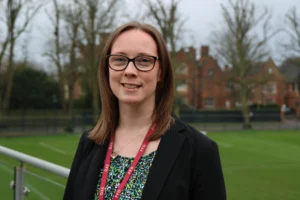
Written by
Rachael Newham
Head of Science

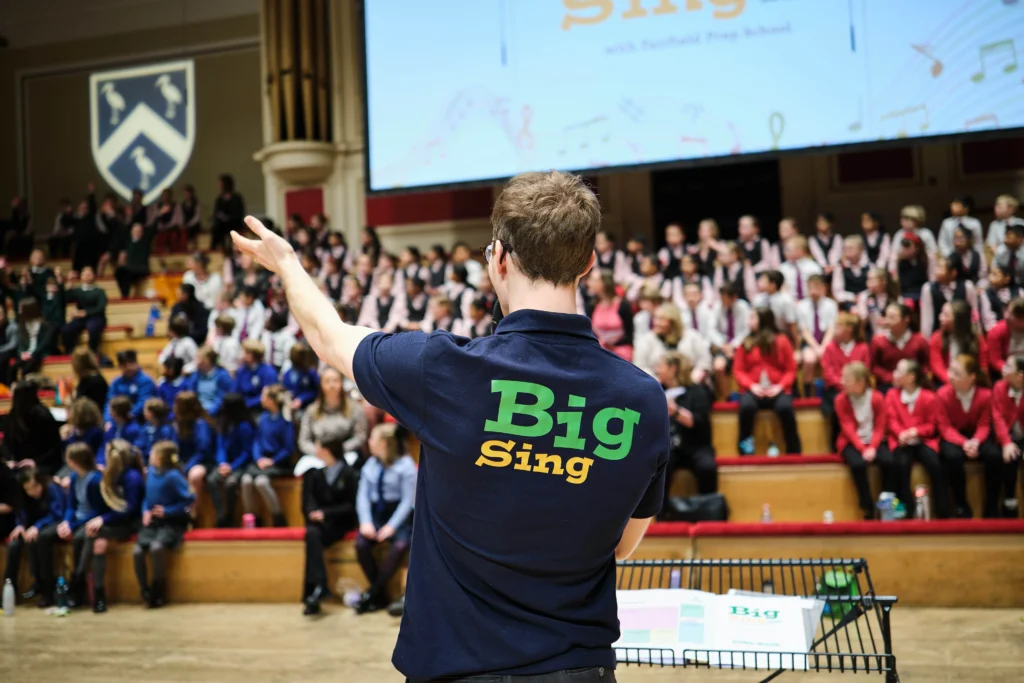
Unforgettable singing showcase
Primary schools come together for ‘Big Sing’
In a spectacular singing showcase, Fairfield Prep School joined primary schools from across the region to perform in the Big Sing 2026: Voices in Harmony at De Montfort Hall, Leicester, this weekend. Following months of rehearsals, hundreds of voices came together for an unforgettable performance of Beyond the Horizon – an exciting collection of …
Our Impact Report 2024/25
Fairfield Prep School Celebrates Exceptional Pupil Voice Survey Results
😃 of pupils said they were happy at school. 📚 of pupils said they enjoyed lessons at school. 🧠 of pupils said their teachers explained their lessons clearly. 🚀 of pupils said they were encouraged to try new things at school. Fairfield Prep School is celebrating outstanding results following a recent pupil voice survey led…
Discover More
Related Pages
Life at Fairfield
Discover more about what makes our school so special.

Wellbeing
We believe that a child’s happiness directly impacts on their academic, pastoral and co-curricular education.
Visit us
There are a range of ways to visit us and discover more about our vibrant school.