Building language confidence
Is learning multiple languages the key to thriving in modern life?
In a global world where linguistic diversity is continually becoming broader, learning languages has never been a more crucial part of early education. Despite recent higher education providers reducing their provision of languages, it is difficult to deny the wealth of transferable skills gained from multilingualism. Head of Languages at Fairfield Prep School, Claire Tatton, believes that learning a wide variety of languages from a young age not only improves the communication skills of children but also, encourages a curiosity and appreciation of culture, individuality and perspective that is hard to teach in any other way.
My job here at Fairfield is to develop a love of languages amongst our children and there is no better place to start than with the youngest members of our community. By embedding language lessons into the routine of school life from the outset, children do not see the subject as an ‘additional extra,’ but simply as something they have always done. This sense of familiarity with the subject enables them to learn without inhibition.
Our languages curriculum
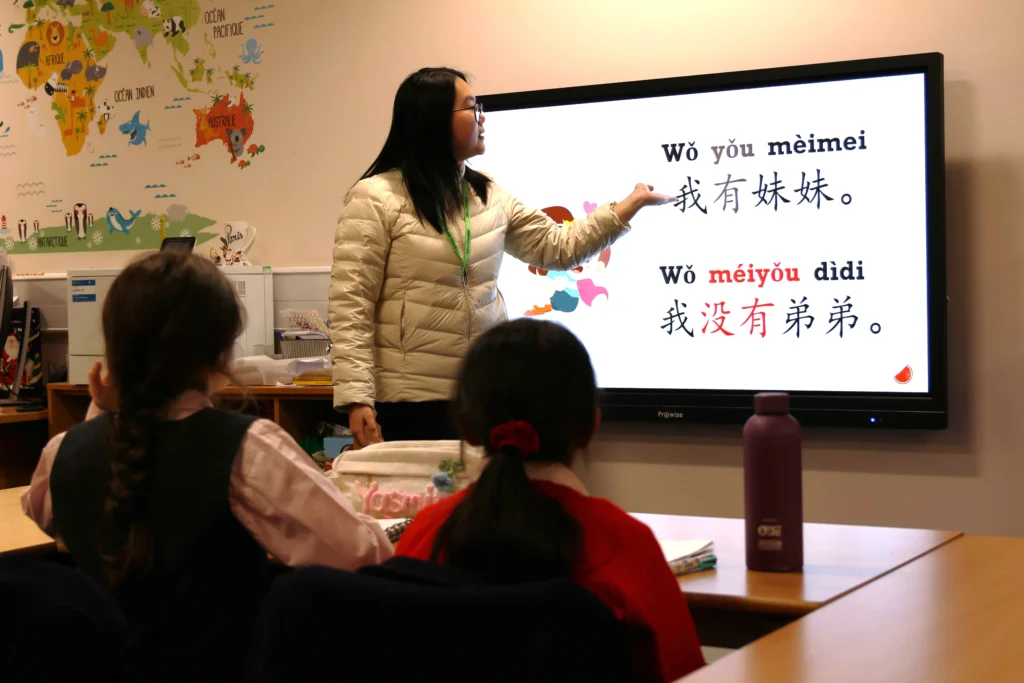
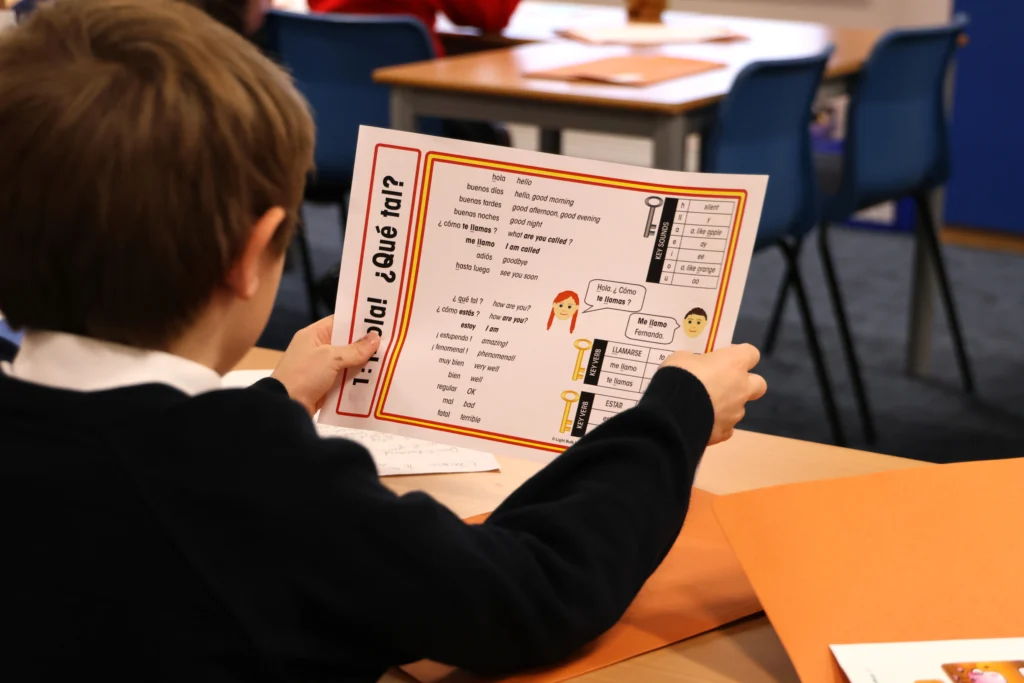
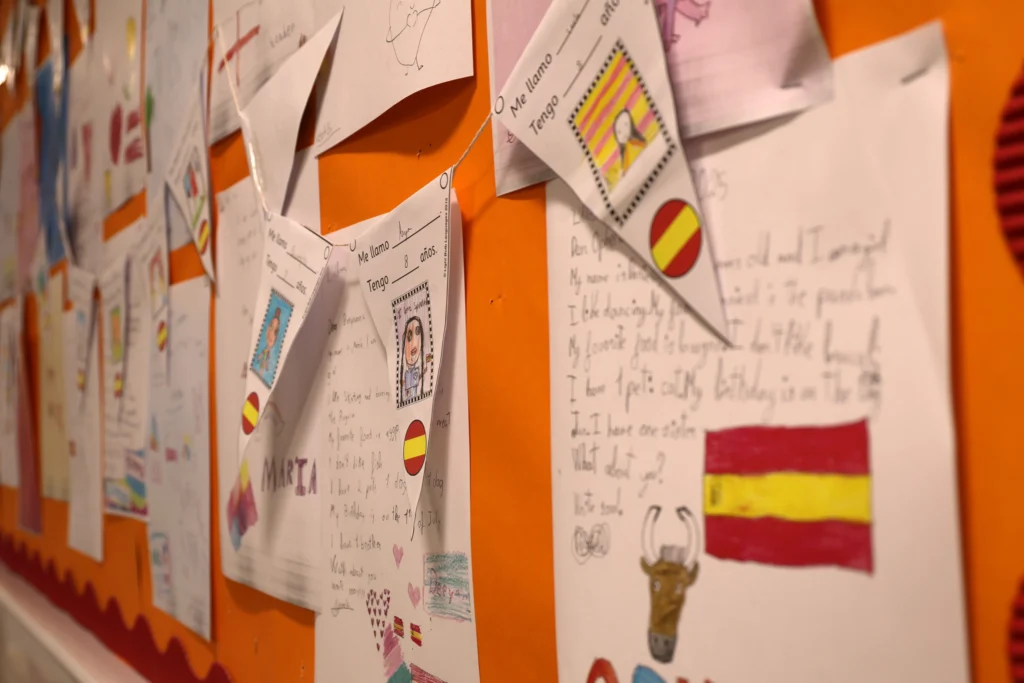
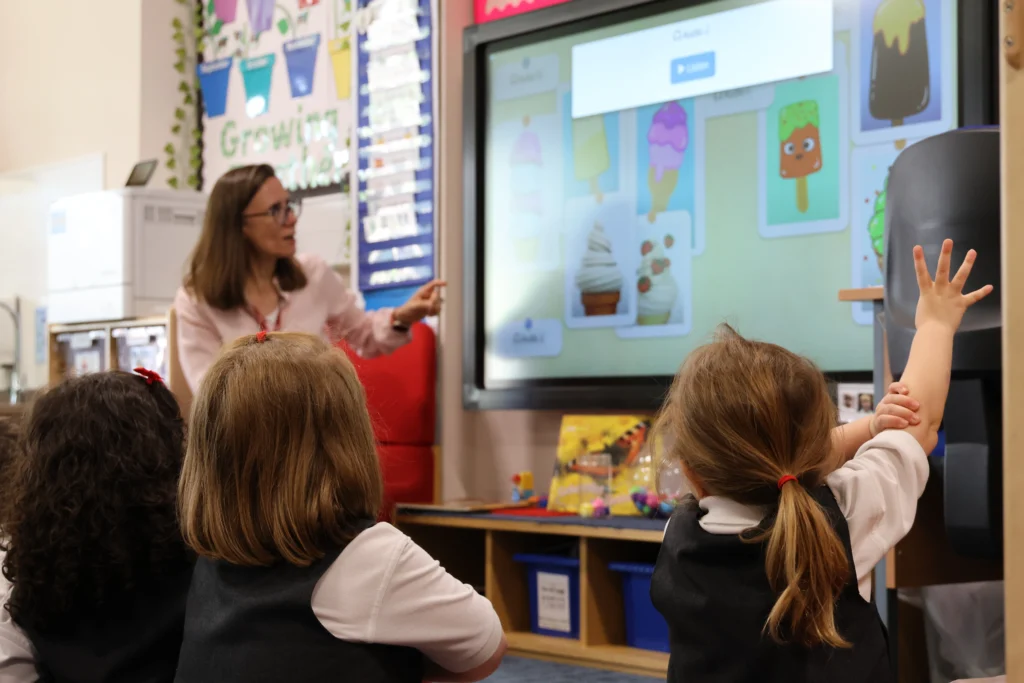
As early as Kindergarten, children are introduced to French and Spanish through a range of engaging teaching techniques. It is all about taking a hands-on approach that blends play with learning. There is plenty of singing, dancing, playing and making. At this age, the children absorb sounds and vocabulary naturally, often without even noticing they are learning. They do not yet necessarily understand what languages are, but they learn that when I am in the room (along with our friendly French teddy bear or flamenco doll), we say things differently. Their developing brain is more receptive, allowing them to adopt new sounds and pronunciation more easily. Those who learn a language while they are still young will accept and retain new patterns of speech and sounds that they hear, mimicking the language being taught, rather than adding the twang of their mother tongue. Therefore, as they grow older, the children are much less likely to speak a second language with an accent if they have learnt it at a younger age.
The national curriculum states that learning a language is compulsory from Key Stage 2. By starting long before this requirement, the children can reap the early benefits of learning another language, including enhancing soft skills such as problem-solving, empathising with others and critical thinking. It will also help to improve all-around cognitive skills, such as improved memory, enhanced multi-tasking abilities, impulse control, critical thinking skills and creativity.
At Fairfield, from Upper Prep, children learn a different language each year, allowing them to make connections and juxtapose languages. This differs from the traditional prep school approach of studying one language in depth and instead works on the idea that once children understand the foundations and mechanics of one language, it becomes easier to learn another.
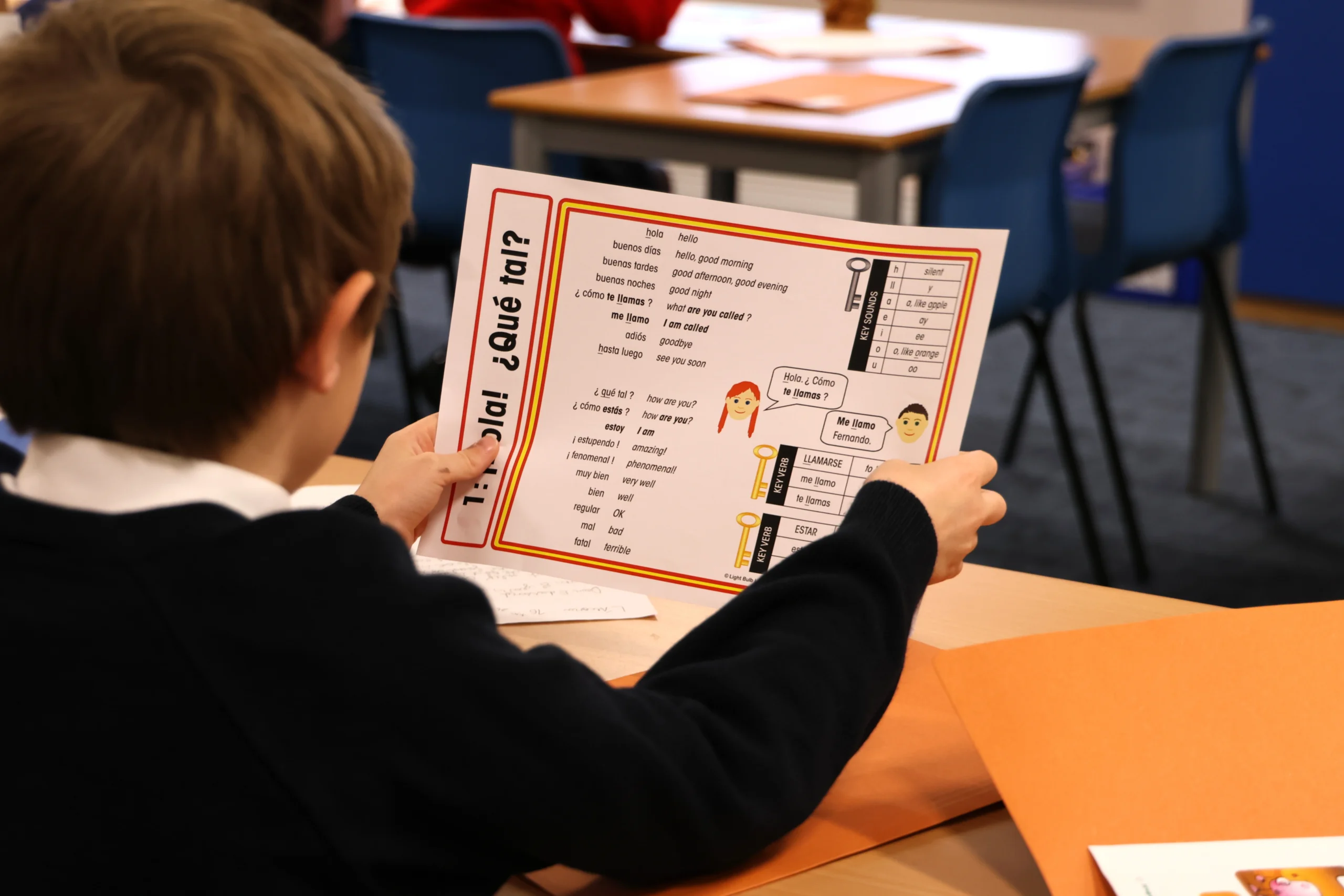
From Year 3 to Year 6, children experience an introduction to Spanish, German, Mandarin and Latin. This diverse breadth is underpinned by strong foundations in French, which helps them to come across some linguistic structures, such as the genders of nouns and conjugation patterns, common to many of the European languages. Not only does this give our children the skills to be able to compare and contrast languages, equipping them with the growth mindset to be able to face and overcome challenges, but it also provides them with a genuinely fascinating insight into different cultures from around the world.
Latin, with its many transferable skills, is a valuable language for pupils at Fairfield. Latin improves English literacy, enhances logical thinking, and provides direct access to Western literature, history, and philosophy, as well as serving as a base for learning Romance languages (languages that descend from Roman Latin). I often describe Latin, with its inflected nature, as ‘gymnastics for your brain’ because it involves a lot of detective work. It encourages memory training, pattern recognition and attention to detail. Where is the word in the sentence? What is its function? Can I relate it to an English word that I know? It is through asking these questions that our pupils become equipped with the lateral thinking skills needed for modern life.
In a world where one in six people speak Mandarin, it only seems natural to teach this language to our children. I strongly believe that the languages children learn whilst they are at school should reflect the world they are growing in; it is also for this reason that I view the phrase ‘modern foreign languages’ as quite an outdated one. Specifically, the term ‘foreign’ conveys connotations of separateness and unfamiliarity – words that do not reflect the wonderfully multicultural environment in which we live.
I view our offer here at Fairfield more as ‘International Languages’ – a curriculum which reflects the world more broadly and engages children through celebrating and sharing the culture of multiple countries.
Going one step further
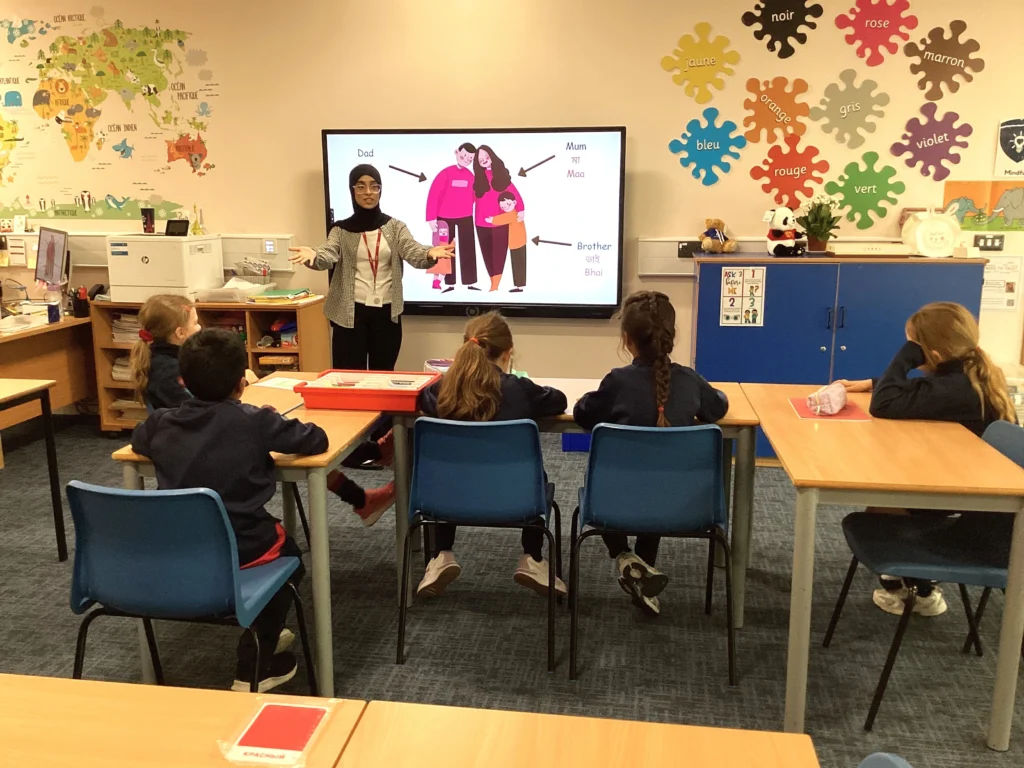
Our co-curricular offer here at Fairfield is just as extensive as our curriculum, offering our Upper Prep children the chance to take their language learning even further. For pupils in Year 3 to 6, Bengali Club places an emphasis on heritage languages. Through a variety of games, quizzes and activities, children learn conversational Bengali such as introducing themselves, talking about their families, learning numbers and more.
We have also recently begun Linguistics Club – an invitation-only club which enables pupils in Years 4, 5 and 6 to further their memory, logic, deduction, pattern-finding and creative skills. Weekly sessions focus on problem-solving, with the aim of entering the United Kingdom Linguistics Olympiad (UKLO) – a national problem-solving competition for schools that uses linguistic data from unfamiliar languages to test logic, pattern recognition, and analytical reasoning. Pupils in Years 5 and 6 also have the option to join our Mandarin Club which is run by a representative from The Confucius Institute at De Montfort University.
Whichever clubs they join, all sessions are designed to make languages fun and accessible to our pupils. Through engaging activities, children not only build upon their academic skills, but they also learn valuable soft skills such as teamwork and communication, developing a natural sense of confidence in their own abilities.
Global connections
Languages should also be recognised for their ability to build confidence. Studies have shown that children who learn a second language are more confident about conversing with others. Human beings are social creatures and learning languages enables interaction and improves the children’s capacity for communication – the ability to get themselves understood in any environment they may encounter. Language is first and foremost about communication. Bilingualism provides a child with the opportunity to make deep and meaningful social connections with others, be it peers experiencing the same educational progression or persons of other nationalities from the wider community.
The younger children are, the smaller their world is, and tailoring their language learning to their interest and making it pertinent to them is paramount. When I ask the class ‘what do you want to be able to say?’ their answers almost always include talking about their family, their pets and their hobbies. This is why I believe that the best way to teach languages to children is by making the subject relevant to them, helping them to learn what they genuinely want to be able to say. During the Summer term in Kindie, I teach the children how to buy an ice cream in Spanish for example, and there is always this magical moment in September when a parent comes back and reports their child asking for their own frozen treat whilst on holiday abroad!
This is how our pupils get the most out of learning languages. By making teaching relevant to the direct applications of the learner, the true purpose of learning a language is conveyed – communication. It is the real-world benefits that come with the ability to communicate in multiple languages that enable our pupils to thrive in modern life. By building language confidence, we are not only adding another string to their bow, but we are also giving our young people the ability to thrive within a global world.
Written by
Claire Tatton
Head of Languages

Significant investment in sport set to take facilities to the next level
How we’re securing the future of sport for generations to come
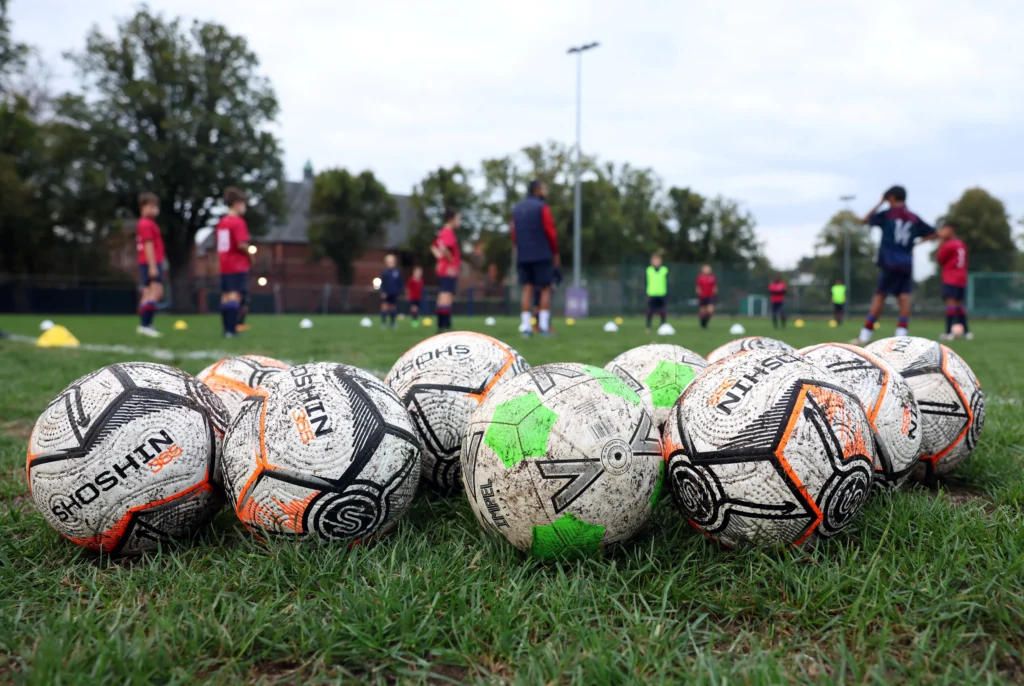
We’re delighted to share that a proposed investment in the future of sport at Loughborough Schools Foundation has been approved by the Foundation’s Board of Governors, subject to planning permission. The major investment includes plans for a new 3G sports pitch, as well as …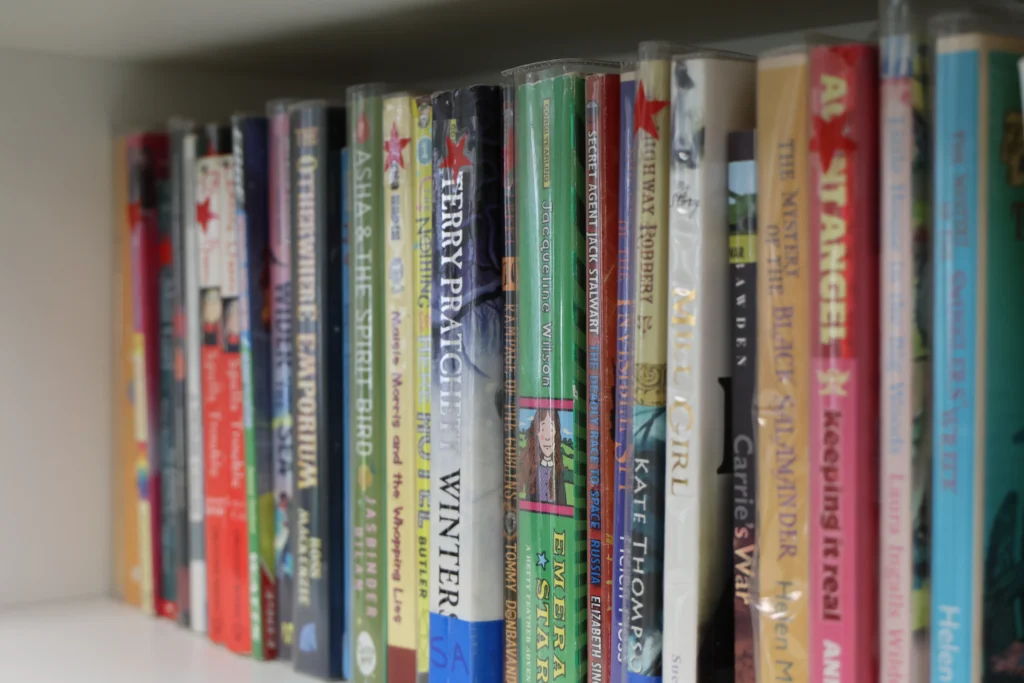
Beyond books
How librarians drive forward a love of literacy
There is no greater way to inspire a child’s imagination than through stories. Each book offers something different – whether they’re immersing themselves in another world or discovering similarities between themselves and their new favourite character, each read sparks a sense of curiosity that cannot be taught. …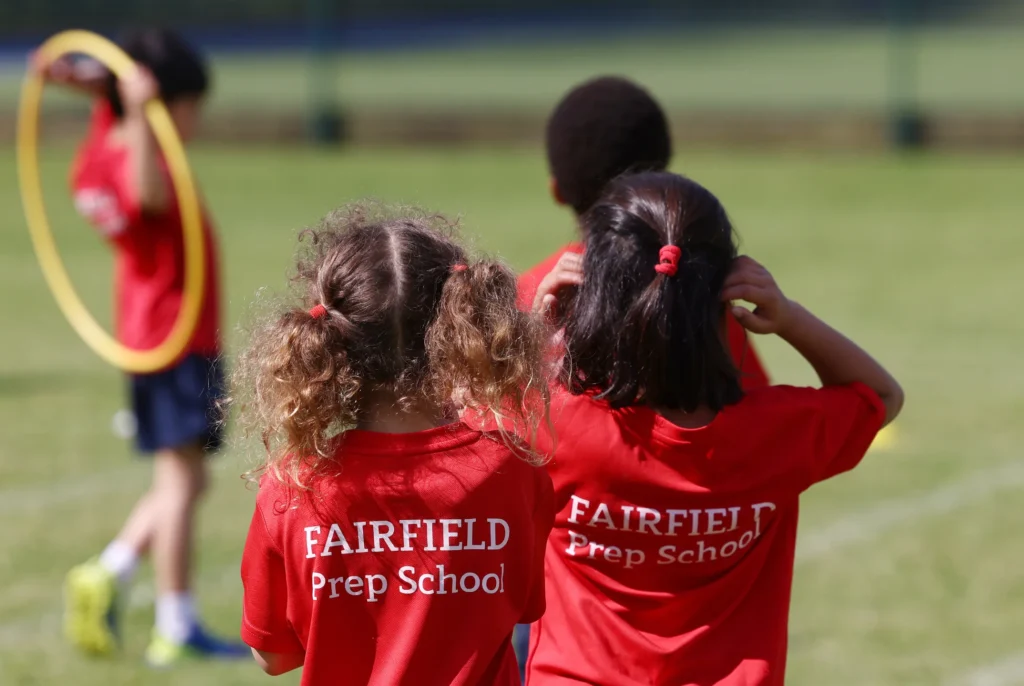
What is Kindergarten?
Discover the Fairfield Pre-school experience The Kindergarten, Fairfield’s wonderful pre-school offer, aims to provide a warm, caring and stimulating environment for children aged 3-4, and welcomes children from their third birthday. Situated at the heart of our independent prep school, the Kindergarten is your child’s first experience of school life. It provides a vibrant educational…